This guide contains affiliate links. As an Amazon Associate we earn from qualifying purchases, at no extra cost to you.
Updated
To get a reluctant reader reading, take the pressure off and make reading feel like a treat rather than homework: let them choose what they read (comics, joke books and fact books all count), keep sessions short, read aloud to them every day, and find the one series that makes them want to know what happens next. Most children who say they “hate reading” actually hate reading that feels hard, boring or forced.
This guide covers why children turn off reading, 12 tips that work for 6 to 12 year olds, and 14 books and series that have hooked a lot of reluctant readers.
In this guide
At a glance
| If your child… | Try this |
|---|---|
| Says books are boring | Let them pick: comics, joke books, fact books, annuals |
| Finds reading hard | Shorter, funnier books one level below their reading age; dyslexia-friendly editions |
| Loves screens | Audiobooks, books of their favourite film or game, graphic novels |
| Gets tired quickly | 10 minutes a day, taking turns page by page |
| Loves facts | Record books, Horrible Histories, “how things work” books |
Why some children become reluctant readers
Reluctant readers usually fall into one (or more) of these groups, and the fix is different for each:
- Reading is still hard work. If decoding takes a lot of effort, there is no energy left to enjoy the story. These children need easier, shorter books and plenty of reading aloud from you, plus a word with school if you are worried about dyslexia or eyesight.
- They haven’t found “their” book yet. Many children are given stories that don’t interest them. A child who loves football, dinosaurs or Minecraft may light up with a fact book or a comic about it.
- Reading feels like a test. Reading logs, levels and being corrected every few words can turn books into homework. Children push back against anything that feels like a chore.
- Everything else is more exciting. Screens are designed to be hard to put down. Books need a bit more patience at the start, so they need a fair chance.
The National Literacy Trust’s annual surveys have found children’s enjoyment of reading at its lowest level for many years, so if your child is reluctant, you are far from alone.
12 tips to get a reluctant reader reading
1. Let them choose (and don’t judge the choice)
Comics, graphic novels, joke books, annuals, the Guinness World Records book and football magazines are all real reading. Choice is the strongest motivator there is. Once a child enjoys reading anything, it is much easier to widen what they read.
2. Read aloud to them, at any age
Children can understand far more than they can read. Hearing a gripping story read aloud shows them what books can do, and gives them the vocabulary they need when they read alone. Ten minutes at bedtime counts, even for 10 and 11 year olds.
3. Keep it short and regular
Ten relaxed minutes every day beats an hour-long battle at the weekend. Stop while they are still enjoying it, ideally on a cliffhanger.
4. Take turns
You read a page, they read a page. It halves the effort and keeps the story moving fast enough to stay interesting.
5. Go one step easier
A book that is slightly too easy is far better than one that is slightly too hard. Fluency and confidence come from reading lots of easy, enjoyable text. Re-reading favourites is good too.
6. Try audiobooks
Audiobooks are a great way to enjoy stories without the effort of decoding, especially in the car or at bedtime. Following along in the printed book while listening can help too. Many UK libraries lend audiobooks free through apps such as BorrowBox or Libby.
7. Use their interests as the hook
Football, animals, space, gaming, history, cooking: there is a book for every obsession. Fact books are often the gateway for children who don’t care about stories.
8. Make the library a treat
Let them borrow as many books as they like, with no pressure to finish any of them. Libraries also run the free Summer Reading Challenge every year, which motivates a lot of children with stickers and medals.
9. Try dyslexia-friendly books
Publishers such as Barrington Stoke publish short, gripping stories by top authors with tinted paper, a special font and clear layout, written to be accessible for reluctant and dyslexic readers. They look and feel like normal books, which matters to older children.
10. Let them see you reading
Children copy what they see. If they see you reading a book, a magazine or a recipe, reading becomes a normal part of life.
11. Connect books to screens
If they loved a film or series, find the book it came from. Graphic novel versions of popular books and books about favourite games can also bridge the gap.
12. Never use reading as a punishment
Avoid “no tablet until you’ve read 20 pages”. It teaches children that reading is the price they pay for the thing they actually want.
14 books that hook reluctant readers
These are popular with children who say they don’t like reading because they are funny, fast, heavily illustrated or full of facts.
For 6 to 8 year olds
1. Dog Man by Dav Pilkey
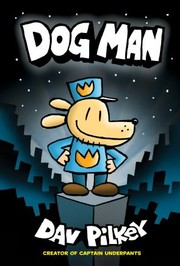
Silly, fast-moving graphic novels about a crime-fighting dog-headed policeman. Children often read the whole series and then start drawing their own comics.
Best for: children who love drawing and silly humour.
2. The Bad Guys by Aaron Blabey
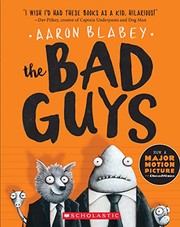
Four “bad” animals trying to do good deeds. Big pictures, small chunks of text and lots of jokes.
Best for: 7 and 8 year olds who think chapter books look like hard work.
3. The Book with No Pictures by B.J. Novak

A picture book with no pictures, where the grown-up reading it has to say every ridiculous word on the page. Children find it hilarious, and it shows them that words alone can be funny.
Best for: 5 to 8 year olds, read aloud by a grown-up.
4. The Adventures of Captain Underpants by Dav Pilkey

Two boys hypnotise their head teacher into becoming a superhero in his pants. Mixes text, comic strips and “flip-o-rama” pages.
Best for: 7 and 8 year olds ready for a little more text than Dog Man.
5. Rabbit and Bear: Rabbit’s Bad Habits by Julian Gough

Short, funny and beautifully illustrated, with a warm friendship at its heart. A good choice for children who find long pages of text off-putting.
Best for: 6 and 7 year olds who love animals.
6. Bunny vs Monkey by Jamie Smart

British comic chaos from the pages of The Phoenix comic: a sensible bunny tries to stop a monkey (and a skunk with too many inventions) from wrecking the woods.
Best for: 6 to 9 year olds who love slapstick.
For 8 to 12 year olds
7. Diary of a Wimpy Kid by Jeff Kinney
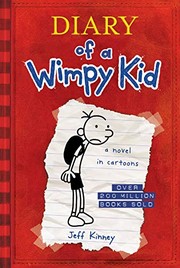
Greg Heffley’s diary of middle-school disasters, with stick-figure cartoons on every page. One of the most successful books ever for children who don’t usually read.
Best for: 8 to 11 year olds.
8. The Brilliant World of Tom Gates by Liz Pichon
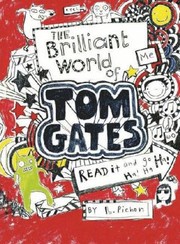
Tom doodles his way through school, family life and his band DogZombies. The pages are packed with drawings and hand-lettering, so it never feels like a wall of text.
Best for: 8 to 10 year olds who love doodling.
9. The 13-Storey Treehouse by Andy Griffiths

Andy and Terry live in a treehouse with a bowling alley, a see-through swimming pool and a man-eating shark tank. Absurd, illustrated on every page and a long series to keep going with.
Best for: 7 to 10 year olds with big imaginations.
10. Investigators by John Patrick Green

Two alligator secret agents who travel through the sewers, full of puns and gadgets. A colourful graphic novel series.
Best for: Dog Man fans ready for the next step.
11. Kid Normal by Greg James and Chris Smith

Murph accidentally ends up at a school for superheroes, with no superpowers at all. Written by the radio presenters Greg James and Chris Smith, fast and very funny.
Best for: 8 to 11 year olds who like superheroes.
12. Who Let the Gods Out? by Maz Evans

Elliot’s life gets complicated when a constellation crash-lands in a pile of manure on his farm and the Greek gods follow. Funny, fast and full of myths.
Best for: 9 to 12 year olds who like adventure and jokes.
13. Terrible Tudors (Horrible Histories) by Terry Deary

The gory, funny bits of history that school leaves out, with cartoons on every page. Horrible Histories have hooked children on non-fiction for decades.
Best for: fact lovers aged 8 and up.
14. Guinness World Records
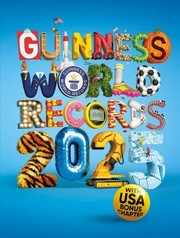
A big, glossy book of the tallest, fastest and strangest records in the world. Perfect for dipping in and out of, and children love reading out facts to anyone nearby.
Best for: children who prefer facts to stories.
Covers via Open Library.
What to do if you’re worried
If your child is still finding reading very hard after the early years of school, talk to their class teacher or the school’s SENCo. They can check progress and suggest whether an eye test or a dyslexia screening might help. Meanwhile, keep reading aloud and keep it enjoyable: the love of stories matters as much as the mechanics.
For age-by-age picks, see our best books for 6 and 7 year olds and best books for 8 to 12 year olds. If big feelings are part of the struggle, our books about emotions for kids may help too.
FAQ
What is a reluctant reader?
A reluctant reader is a child who can read, or is learning to, but chooses not to. It is usually because reading feels hard, boring or like a chore, rather than because they can’t do it.
Do comics and graphic novels count as reading?
Yes. Comics and graphic novels build vocabulary, comprehension and reading stamina. Many children move on to longer books once they have enjoyed a graphic novel series.
How long should a child read each day?
Little and often works best. Around 10 to 20 minutes a day, including being read to, is a realistic target for most primary-age children. Consistency matters more than length.
Are audiobooks cheating?
No. Listening to audiobooks builds vocabulary, story understanding and a love of books. Following the text while listening can also support reading skills.
Leave a Reply